2026年7月15日
Active longevity: it’s never too late to start
Aerobic, strength and balance work: the body retains the ability to adapt even during the third age or after years of a sedentary lifestyle. You can’t make up for lost time, but the benefits can be measured both in terms of life expectancy and overall body wellness.


Adopting an active and healthy lifestyle after 60, 70 or even 80 produces genuine measurable physiological benefits. There is absolutely no truth in the belief that room for improvement is strictly limited, nor that the beneficial effects are marginal. The data says the opposite, as highlighted by a meta-analysis carried out by the British Journal of Sports Medicine published in 2025 – those who start moving in adulthood after years of a sedentary lifestyle achieve a significant reduction in mortality risk, even if it is smaller than for those who have always trained. Even quantities of movement below the official recommendations produce positive health effects.
In short, there is no age threshold or minimum level of activity below which the effort is in vain. The reason why this is possible lies in biological plasticity: the body is not a fixed structure that deteriorates linearly, but a dynamic system that continues to react to daily behaviour, even in old age. Our muscles, heart and brain do not go back to how they were in our 30s, but adapt in a measurable way to any appropriate stimulus, producing improvements in functionality and resistance to disease. In other words, the biological starting point changes with age, but the direction of the body's adaptations always depends on the choices we make at every stage of life.
The body reacts and adapts, at any age
If we take a closer look, the conclusions published in the British Journal of Sports Medicine, based on data synthesised from 85 different studies, underline that those who have kept themselves physically active throughout their adult lives reduce the risk of death from any cause by 30%–40%. But the most relevant data concerns those who begin later: even starting after years of a sedentary lifestyle and becoming active in adulthood reduces the mortality risk by 20%–25%. This changes the way active longevity should be looked at: the goal is not to make up for what has not been done, nor to aspire to an unachievable athletic standard, but to understand that any stimulus – even modest, even late – triggers physiological adaptations. In addition to changing (for the better) a number in a blood test or a cardiac parameter, the perceived quality of the body in daily life alters: the ability to walk long distances without getting tired, to climb the stairs without holding on, to maintain balance and coordination in situations where they are needed, and to stay independent for as long as possible.
This has also been confirmed by a more recent study, published in The Lancet Healthy Longevity in December 2025 and carried out on 36,000 adults aged over 65 tracked for a 20-year period: adopting healthy habits after 65 lengthens your life by four or more years compared with those who never start.
This has also been confirmed by a more recent study, published in The Lancet Healthy Longevity in December 2025 and carried out on 36,000 adults aged over 65 tracked for a 20-year period: adopting healthy habits after 65 lengthens your life by four or more years compared with those who never start.


Active longevity in daily life
Translating the principles described here into practice requires an approach that takes the actual starting point into account, without looking for shortcuts or comparisons with those who have always been sporty. The most effective strategy for longevity is not one-dimensional: it combines aerobic work, which supports the heart and metabolism, strength training, which fights the loss of muscle mass and protects bone density, and balance exercises, which reduce the risk of falls and preserve coordination. The principle that governs everything is continuity – a moderate and constant stimulus produces more profound and longer-lasting adaptations than intense and sporadic sessions, especially when starting in old age. Gradual progression, as well as reducing the risk of injury, is the condition that makes maintenance sustainable over time.

Regular physical exercise sessions are also key to gradually increasing the load as the body adapts, consolidating the adaptations achieved over time. In this context, the availability of tools calibrated on individual characteristics makes the difference between a generic path and one that is genuinely effective.
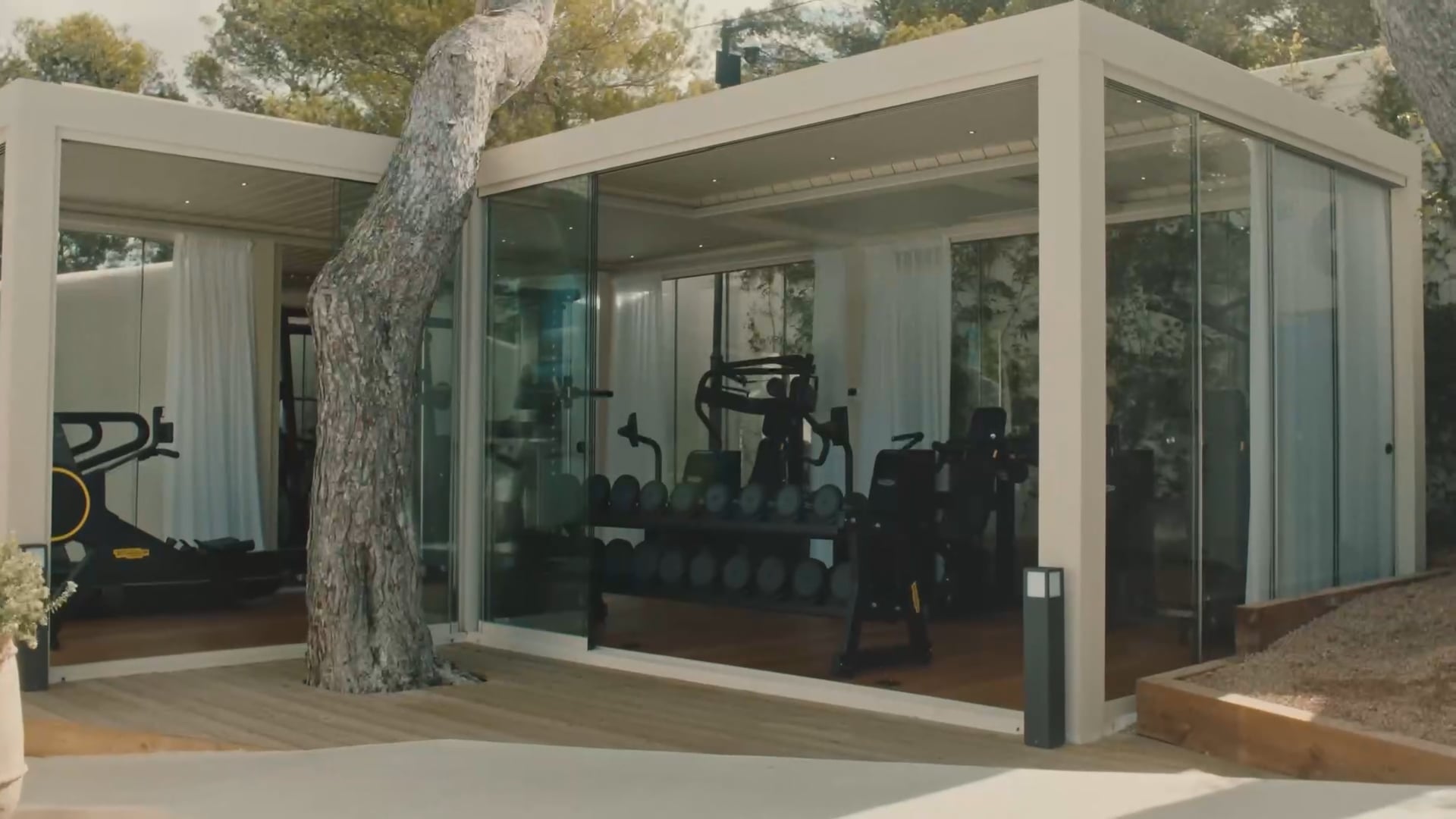
The Technogym Biostrength line, supported by AI and based on the Biodrive system, automatically adapts weight, speed and range of motion according to the user profile, making precise and safe strength training possible even for those starting to move for the first time or after a long break. The dynamic modulation of resistance and real-time feedback allow you to work with the right intensity in every phase of your journey.
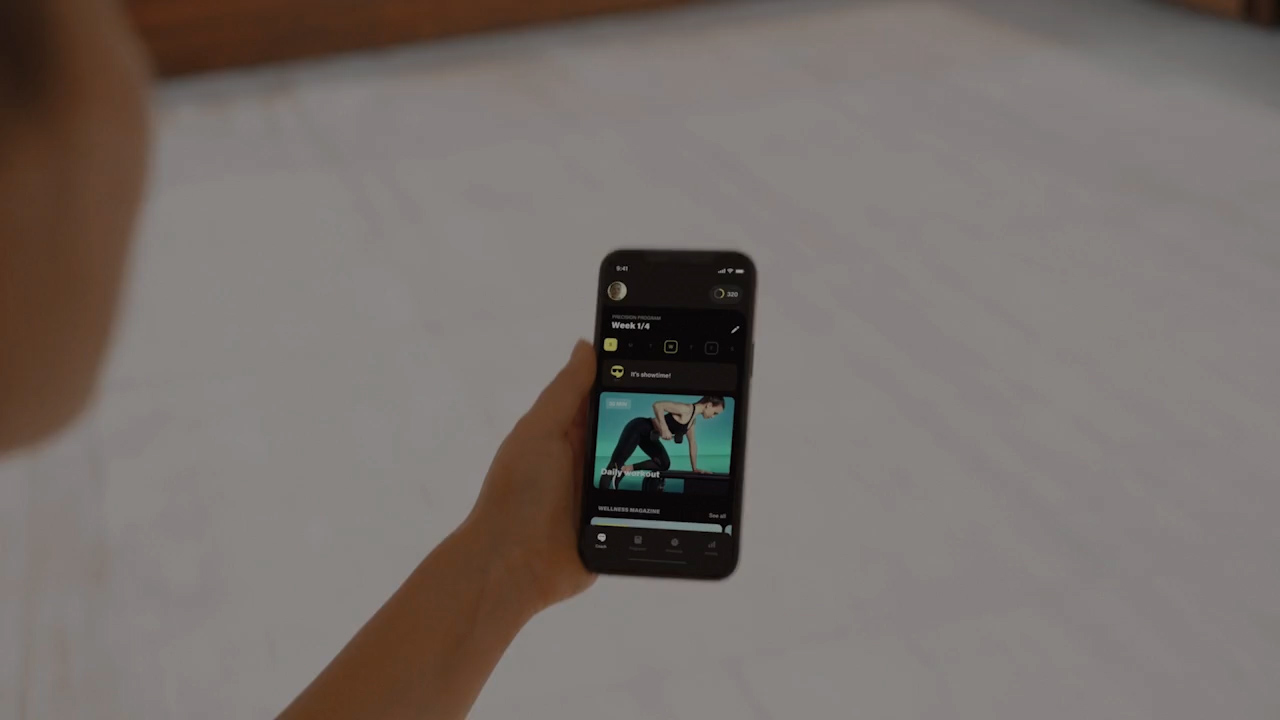
At the same time, the products from the Excite cardio line allow you to develop the aerobic component in a way that is also custom-designed and controlled. Thanks to Technogym Coach and continuous tracking of physiological parameters, the line allows you to maintain effort within adequate intensity zones, improving cardiorespiratory capacity and stamina without compromising safety.